

Fire Safety Tips for Grills, Fire Pits & Campfires This Summer
Summer means backyard barbecues, evenings around the fire pit, and camping trips with family and friends. Whether you’re grilling burgers, roasting marshmallows, or relaxing around a campfire, outdoor fires create lasting memories.
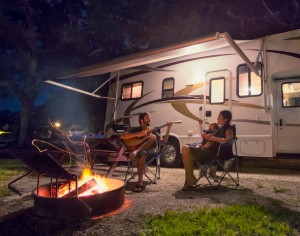
Unfortunately, they can also create serious risks if proper precautions aren’t taken.
Following a few simple fire safety tips can help protect your family, guests, home, and property while reducing the chance of injuries, liability claims, or costly fire damage.
Choose a Safe Location Before Lighting Any Outdoor Fire
One of the most important fire safety tips is choosing the right location.
Even a small fire can quickly spread if it’s too close to combustible materials. Sparks, embers, and radiant heat can ignite nearby objects before you realize there’s a problem.
When using a grill, fire pit, or campfire, always place it on a stable, non-combustible surface and keep it well away from:
- Your home, garage, or other buildings
- Wooden decks and combustible surfaces
- Tall grass or dry landscaping
- Trees with low-hanging branches
- Outdoor furniture
- Firewood piles
- Fuel containers and propane cylinders
Portable fire pits deserve the same attention every time they’re moved. Just because a location is convenient doesn’t mean it’s safe.
Creating plenty of space around the fire dramatically reduces the chances of a small incident becoming a major property loss.
Watch the Weather Before Starting a Fire
Good weather isn’t always safe weather.
Many homeowners only check the forecast for rain before planning an outdoor gathering. However, wind, heat, and drought conditions often present a much greater fire risk.
Hot, dry weather allows grass, leaves, mulch, and other vegetation to ignite more easily. Meanwhile, strong winds can carry embers well beyond your fire pit or grill.
Before lighting any outdoor fire:
- Check local weather conditions.
- Review burn bans or fire advisories.
- Avoid burning during high winds.
- Postpone fires during extremely dry conditions.
Waiting for safer conditions is far easier than dealing with a wildfire or house fire.
Keep Guests Safe Around Grills and Fire Pits
Hosting family and friends is one of summer’s greatest pleasures, but guests also create additional liability risks.
You know how your grill or fire pit operates. Your guests probably don’t.
Children may wander too close to the fire. Adults may become distracted during conversations. Alcohol can reduce awareness and judgment.
To improve backyard fire safety:
- Never leave a fire unattended.
- Keep children and pets a safe distance away.
- Explain basic safety rules to guests.
- Keep seating outside the immediate fire area.
- Extinguish the fire completely before leaving.
Simple precautions help everyone enjoy the evening safely.
Inspect Your Grill or Fire Pit Before Every Use
Many outdoor fire accidents happen because equipment wasn’t properly maintained.
Before your next cookout or bonfire:
- Inspect grills and fire pits for cracks, rust, or damage.
- Check propane hoses and connections for leaks.
- Clean grease from grills to reduce flare-ups.
- Remove excess ash from fire pits.
- Keep a fire extinguisher or garden hose nearby.
- Assign someone to monitor the fire throughout the evening.
A few minutes of preparation can prevent hours—or even years—of regret.
Does Homeowners Insurance Cover Fire Damage?
Even if you follow every fire safety tip, accidents can still happen.
A sudden gust of wind may carry hot embers onto your roof. A guest could accidentally get burned. Flames may spread beyond the fire pit despite your best efforts.
Depending on the circumstances and your policy, homeowners insurance may provide valuable financial protection.
Coverage may include:
Personal Liability Coverage
If a guest is injured during your gathering, personal liability coverage may help pay covered legal expenses or damages.
Dwelling Coverage
If a fire damages your home, dwelling coverage may help pay to repair or rebuild the structure.
Other Structures Coverage
Detached garages, sheds, fences, gazebos, and similar structures may be covered if they’re damaged by a covered fire.
Personal Property Coverage
Furniture, outdoor equipment, and personal belongings damaged by a covered fire may qualify for reimbursement.
Additional Living Expenses
If your home becomes temporarily uninhabitable after a covered loss, your policy may help pay for hotel stays, meals, and other necessary living expenses.
Enjoy Summer Fires Safely
Outdoor fires are one of summer’s greatest traditions, but they also require responsibility.
By choosing a safe location, monitoring weather conditions, maintaining your equipment, supervising guests, and understanding your homeowners insurance coverage, you can significantly reduce the risk of fire-related accidents.
At Frost Insurance, we help homeowners understand what their insurance covers before a loss occurs—not after. If you’re unsure whether your current homeowners policy provides the protection you need, our experienced advisors are happy to review your coverage and answer your questions.