

Smart November Home & Auto Preparations for a Midwest Winter
A little preparation now can prevent a much bigger problem when winter arrives.
November in Ohio is the warning shot before winter really settles in. The leaves are coming down, temperatures are falling, and snow and ice aren’t far behind.
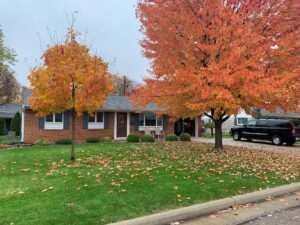
For homeowners and drivers throughout northwest Ohio and the Midwest, this is the time to prepare. Once pipes freeze, a furnace quits, or your car won’t start on a 10-degree morning, you’re dealing with the problem instead of preventing it.
Here are some smart November preparations worth taking care of now.
🏠 Get Your Home Ready for Freezing Temperatures
1. Disconnect Your Garden Hoses
This is one of the easiest things to forget.
Remove hoses from exterior faucets before freezing weather becomes routine. If your home has interior shutoff valves for outside faucets, shut them off and drain the exterior lines.
A frozen pipe can turn a five-minute November chore into a significant water damage claim.
2. Know Where Your Main Water Shutoff Is
Every adult in the house should know where the main water shutoff is located and how to use it.
If a pipe breaks, being able to shut the water off immediately may make the difference between a relatively small repair and extensive damage throughout the house.
Smart idea: Put a tag on the shutoff valve so it’s easy to identify during an emergency.
3. Have the Furnace Checked and Change the Filter
Don’t wait for the coldest night of the year to discover your furnace has a problem.
Replace the filter if needed, check your thermostat and consider having an HVAC professional inspect the system before winter gets serious.
If you use a fireplace or wood-burning stove, November is also a good time to make sure the chimney and venting systems are ready for use.
4. Check Smoke and Carbon Monoxide Detectors
Winter means furnaces, fireplaces, space heaters and other heat sources are being used more frequently.
Test your smoke alarms and carbon monoxide detectors and replace batteries as necessary. This is an inexpensive safety step that deserves a spot on every fall checklist.
5. Clean Your Gutters Before They Freeze
Once the leaves finish falling, clean gutters and downspouts.
Clogged gutters can prevent melting snow and ice from draining properly. That can contribute to ice buildup and water finding its way into places where it doesn’t belong.
Also make sure downspouts move water away from the home’s foundation.
6. Inspect the Roof From the Ground
You don’t necessarily need to climb onto the roof.
Look for missing or damaged shingles, loose flashing, sagging gutters or other visible issues. Winter wind, snow, ice and freeze-thaw cycles tend to expose weaknesses that already existed.
Fixing a small roofing issue in November is usually preferable to discovering it through a ceiling leak in January.
7. Prepare for a Power Outage
Midwest winter storms can bring dangerous cold and power disruptions. The National Weather Service specifically emphasizes preparing homes and vehicles before severe winter weather arrives. [weather.gov], [weather.gov]
Keep flashlights, batteries, portable phone chargers, blankets and basic emergency supplies where you can easily find them.
If you own a portable generator, review how to operate it safely before you need it. Never operate a generator in a home, garage or other enclosed area.
🚗 Don’t Forget About Your Vehicles
Winter preparation isn’t limited to your house.
8. Check Your Tires Now
Inspect tread condition and tire pressure.
Cold weather can lower tire pressure. A commonly used guideline is roughly 1 PSI for every 10-degree drop in temperature, although you should always inflate your tires according to your vehicle manufacturer’s recommended pressure. Kelley Blue Book Winter Driving Guide [kbb.com]
Drivers who spend significant time traveling in snow and ice may also want to consider all-weather or winter tires.
And remember: four-wheel drive or all-wheel drive can help you get moving, but it doesn’t magically help you stop on ice.
9. Test the Battery
Cold temperatures are tough on batteries.
If your battery is several years old or you’ve noticed slower starts, have it tested before winter. Many auto-parts stores and repair facilities can perform a battery test quickly.
It’s much easier to replace a weakening battery in November than jump-start a dead vehicle on a January morning.
10. Check Wipers, Washer Fluid and Antifreeze
Make sure your windshield wipers can actually clear the glass.
Top off winter-rated windshield washer fluid and check your vehicle’s coolant/antifreeze level and condition.
Visibility can change rapidly during Midwest snow, sleet and freezing rain.
11. Put a Winter Emergency Kit in Every Vehicle
The National Weather Service recommends keeping winter survival supplies in your vehicle, including items such as a flashlight, first-aid kit, snow shovel, ice scraper, blankets, food, water, booster cables, warm clothing, traction material, phone charger and warning devices. National Weather Service Car Winter Survival Kit Checklist [weather.gov]
A simple kit might include:
- Blanket
- Gloves and warm hat
- Flashlight
- Phone charging cable or power bank
- Ice scraper and snow brush
- Small shovel
- Jumper cables or jump pack
- Bottled water
- Nonperishable snacks
- Basic first-aid kit
- Reflective triangles or emergency lights
- Traction material
Hopefully you’ll never need it. But if you slide off a rural northwest Ohio road during a winter storm, you’ll be glad it’s there.
One More November Task: Review Your Insurance
Winter can bring frozen pipes, water damage, house fires, falling trees, roof damage, vehicle accidents and numerous other losses.
November is a good time to make sure you understand your coverage before something happens.
You may want to review:
- Your home replacement cost
- Deductibles
- Water-related coverage and limitations
- Scheduled valuable items
- Vehicle physical damage coverage
- Rental reimbursement
- Roadside assistance
- Liability limits
- Umbrella coverage
The objective isn’t simply to have an insurance policy. It’s to know what you own, understand how you’re protected and identify important gaps before there is a claim.
Prepare Now. Enjoy Winter Later.
Midwest winters are unpredictable. Even NOAA’s 2026–2027 outlook favoring warmer-than-average temperatures across much of the Midwest doesn’t eliminate the possibility of individual snow, ice or extreme-cold events. NOAA 2026–2027 U.S. Winter Outlook [noaa.gov]
That’s why November is preparation month.
Spend a Saturday checking the house, getting the vehicles ready and reviewing your emergency supplies. Most of these jobs cost very little compared with the damage or aggravation they can help prevent.
At Frost Insurance Agency, we believe good insurance starts with good risk management. Preventing a loss whenever possible is always better than having to file a claim.
If you’d like a second look at your home, auto or umbrella coverage before winter arrives, give Frost Insurance Agency a call. We’re happy to help.