

Flood Insurance in Ohio: What Homeowners Need to Know
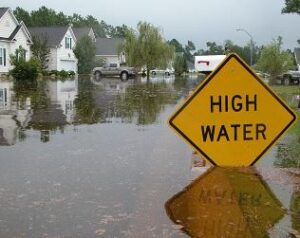
It can happen here in Ohio, too.
And there is one important insurance fact every homeowner should understand:
Flood damage is generally not covered by a standard homeowners insurance policy.
Recent storms have produced more than 11 inches of rain in parts of Indiana, with the White River reaching record levels and widespread flooding damaging homes, businesses and infrastructure.
For Ohio homeowners, it’s worth asking a simple question:
If my home flooded tomorrow, would my insurance actually cover it?
Flood Insurance Is Not Included in Homeowners Insurance
This is one of the most common misunderstandings we encounter in insurance.
A homeowners policy can provide coverage for many types of water damage. However, flooding is generally excluded from homeowners insurance.
FEMA specifically identifies the belief that homeowners insurance covers flooding as a myth. Flood insurance is a separate coverage designed specifically for flood-related losses.
That means you could have a comprehensive homeowners policy and still have no coverage for damage caused by floodwater.
This distinction can become financially devastating after a major flood.
What Is Considered a Flood?
Flooding isn’t limited to a river overflowing its banks.
Flooding can occur when heavy rainfall, rapid runoff, overflowing waterways or other circumstances cause water to cover normally dry land.
That’s important in Ohio because you don’t have to live directly beside a river to experience flooding.
A property can be damaged by water that moves into an area following an unusually heavy rainfall event—even if the property has never flooded before.
“I’m Not in a Flood Zone”
This is another common misconception.
Being outside a high-risk flood zone does not mean your property cannot flood.
FEMA notes that flood insurance is available for properties outside high-risk flood areas and that flooding can occur outside areas traditionally considered high risk.
Think about it this way:
Low flood risk is not the same thing as no flood risk.
Flood maps are an important tool for evaluating risk, but they cannot predict every future flooding event.
The recent flooding in Indiana is a good example. Areas experienced extraordinary rainfall and flooding that overwhelmed communities, roads and infrastructure. The White River reached levels exceeding records that had stood for more than a century.
Ohio Isn’t Immune to Flooding
It’s easy to watch what is happening in Indiana and think of it as an unusual event that probably won’t happen in Ohio.
But Ohio has plenty of the same ingredients that can produce flooding:
- Heavy summer thunderstorms
- Rapid rainfall accumulation
- Rivers and creeks
- Low-lying areas
- Agricultural drainage systems
- Urban drainage systems
- Saturated ground
- Rapid runoff
We don’t need to be on the coast to experience significant flooding.
In fact, the recent Midwest flooding is a good reminder that extreme rainfall can create serious flooding well away from the ocean.
What Does Flood Insurance Cover?
Flood insurance can provide coverage for eligible flood damage to a building and, when purchased, its contents, subject to the policy’s coverage limits, exclusions and conditions.
That can include important components of a home such as the structure, electrical and plumbing systems, HVAC equipment and certain permanently installed fixtures.
Contents coverage can provide protection for eligible personal property as well.
The exact coverage depends on the policy, so it’s important to review the details rather than assume everything in your home is automatically covered.
Don’t Wait Until the Forecast Calls for Flooding
This is particularly important.
Flood insurance generally has a 30-day waiting period before a new policy takes effect, although FEMA lists certain exceptions.
In other words, buying flood insurance after the water starts rising isn’t a strategy.
The time to evaluate your flood risk is before a flood happens.
That’s also why flood insurance is something worth discussing during a normal insurance review—not when a major storm is already approaching.
What About Disaster Assistance?
Another misconception is that government disaster assistance will take care of the damage if a major flood occurs.
Disaster assistance can be available following qualifying events, but it isn’t a substitute for having insurance specifically designed to cover flood damage.
There can also be significant limitations on what assistance is available and how much a homeowner ultimately receives.
Flood insurance is designed to provide a more predictable source of protection for covered flood losses.
Does Every Ohio Homeowner Need Flood Insurance?
Not necessarily.
Flood risk varies significantly from one property to another.
The point isn’t that every homeowner needs to buy a flood policy.
The point is that every homeowner should understand the risk and understand what their homeowners policy does—and does not—cover.
A home that has never flooded before may have a very different risk profile than a home located in a known floodplain.
However, neither situation should be evaluated based solely on the assumption that “it has never happened before.”
The Indiana Flooding Is a Reminder for Ohio
We don’t know where the next major flood will occur.
What we do know is that extraordinary rainfall can produce extraordinary flooding.
The events unfolding in Indiana are a powerful reminder for everyone in the Midwest—including Ohio homeowners—that flood risk isn’t limited to the places we traditionally associate with flooding.
Your homeowners insurance protects you from many risks. Flooding generally isn’t one of them.
If you’re not sure whether your property is at risk or whether flood insurance makes sense for you, talk with your insurance agent.
At Frost Insurance Agency, we can review your situation, explain the difference between homeowners and flood coverage, and help you determine whether flood insurance is something you should consider.
Don’t wait until the water is rising to find out what your insurance doesn’t cover.
To learn more about how proactive risk management and personalized advice can protect what matters most, contact Frost Insurance Agency. Call us at 419-592-4476, email frost@frostins.com, or click here to start a conversation about your risks and goals.
Prefer a face-to-face review? Visit one of our four convenient locations in Archbold, Napoleon, Holgate, or Whitehouse — and let’s build a protection plan, not just a policy.