

Your sump pump is the first line of defense against basement flooding.
A sump pump is an essential device installed in a pit, also known as the sump, at the lowest point of a home’s basement or crawlspace to protect the foundation and structural integrity of a home. Sump pumps are critical for homes located on flat land, in low-lying areas, cold and wet climates or with high water tables.
How Sump Pumps Work
Sump pumps work by collecting excess groundwater, often after heavy rain, that flows into a sump pit, or basin. Once the water reaches a certain level, a ball float switch is activated and turns the pump on. Then, the pump pushes water out of the house through a discharge pipe, safely moving that water away from your foundation. These pumps also have a check valve on the discharge pipe, which prevents water from flowing back to the pump after it shuts off.
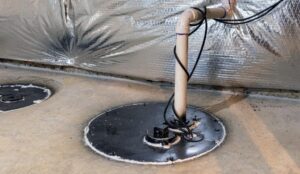
Sump pumps can only handle clean groundwater. They should not be used to channel water from a washing machine or water softener or to circulate water in an ornamental pond or fountain.
In case of power outages, be sure your sump is equipped with a backup pump and emergency power to ensure it will continue to operate when the power goes off. A backup sump pump also protects secondary homes when they are unoccupied. A backup pump is positioned above the turn-on position of the main pump and runs on an alternate power source, often a battery. If the main pump fails, the water level rises and turns on the backup pump.
Two Types of Sump Pumps
Submersible pump
This pump rests at the bottom of the sump and can be submerged in water.
Pedestal, or upright, pump
This type of pump has the motor located above the pit, where it cannot get wet. Water is pumped out of the pit through a separate pipe into an area with proper drainage.
How to Maintain a Sump Pump
To ensure the sump pump remains in good working order, follow these maintenance tips:
- Remove the pump from the pit annually to clean out debris, mud and stones.
- Test regularly to ensure the float switch activates and the pump removes water quickly.
- Ensure the float switch moves freely. If it gets stuck against the wall of the sump, it won’t activate.
- Check the backup power system annually by temporarily unplugging the main pump.
- Batteries should be replaced every 2-3 years.
- Verify the check valve prevents water from flowing back into the sump pit.
- Clear debris, dirt and ice from the discharge line.
- Keep a secure lid on the sump to prevent debris or animals from falling into the pit.
- Inspect the power cord and outlet for damage.