

Smart Planning for a Winter Storm: A Little Prep Goes a Long Way
Winter storms have a way of showing up fast and overstaying their welcome. Snow, ice, extreme cold, and power outages can turn an ordinary day into a stressful situation. Smart planning before a winter storm arrives can greatly reduce risk, damage, and frustration.
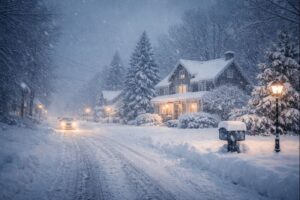
Prepare Your Home Before the First Flake Falls
Your home is your first line of defense during a winter storm. Sealing drafty doors and windows helps keep warm air inside and reduces heating strain. Exposed pipes should be insulated to prevent freezing, and during extreme cold it may be wise to let faucets drip slightly.
Essential supplies such as flashlights, batteries, blankets, bottled water, shelf-stable food, and medications should be gathered ahead of time. If you have a fireplace, generator, or space heater, make sure it is safe, working properly, and well-ventilated. It’s also important to know where your main water shutoff is located in case a pipe bursts.
Plan for Power Outages Before They Happen
Power outages are common during winter storms and can last longer than expected. Phones and battery packs should be fully charged ahead of the storm. A battery-powered radio can provide critical weather updates when internet service is unavailable. LED lanterns are safer than candles, which increase fire risk.
Households that rely on medical equipment should have a clear backup power plan in place. If you own a generator, it should never be operated indoors or in a garage due to the serious risk of carbon monoxide poisoning.
Winter Storm Preparation for Your Vehicle
Vehicles also need attention before winter weather hits. Keeping the gas tank at least half full helps prevent fuel line freezing and ensures you can stay warm if stranded. A winter emergency kit with blankets, gloves, jumper cables, an ice scraper, flashlight, and snacks should be kept in the vehicle. Driving should be slow and cautious, especially when black ice is possible.
When conditions are severe, staying off the roads is often the safest decision. If you become stranded, remaining with your vehicle improves visibility and safety while waiting for assistance.
The Financial Side of Winter Storm Planning
Winter storms can cause costly damage, including burst pipes, roof leaks from ice dams, fallen trees, and water damage. Taking photos or videos of your home before a storm can help document its condition. Reviewing your insurance coverage ahead of time ensures you understand what types of winter damage are covered and what exclusions may apply. Being informed before a loss occurs can significantly reduce stress during the claims process.
Look Out for Others During Winter Weather
Winter storms are easier to handle when communities support one another. Checking in on elderly neighbors or those living alone can make a meaningful difference. Pets should be brought indoors and kept warm during extreme cold. Simple acts, such as sharing information or helping clear walkways, can improve safety for everyone.
Final Thoughts on Winter Storm Preparedness
Winter storm preparedness is not about fear or overreaction. It’s about planning ahead so that weather disruptions are manageable rather than overwhelming. When you take proactive steps to prepare your home, vehicle, and finances, you protect more than just property. You protect your family, your time, and your peace of mind.
Winter is unpredictable, but smart planning ensures you’re ready when it arrives.