

How to Locate Lost Life Insurance Policies After a Loved One’s Death
When a loved one passes away, families are often overwhelmed with grief—and paperwork. What many people don’t realize is that life insurance policies sometimes go unclaimed simply because no one knew they existed.
Billions of dollars in life insurance benefits remain unclaimed across the United States. If you suspect there may have been coverage in force at the time of death, here is a practical roadmap to help you track it down.
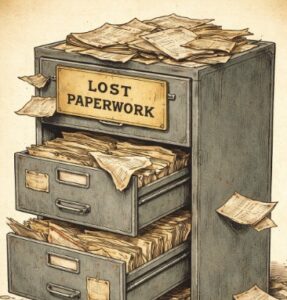
Why Policies Go Missing
There are several common reasons families are unaware of coverage. In many cases, the policy was purchased decades ago and simply forgotten. The insured may have changed jobs and left behind group coverage. Paperwork may have been misplaced during a move. Premiums may have been automatically drafted from a bank account and never noticed by surviving family members. Sometimes the beneficiary was simply never informed the policy existed.
Older policies—especially smaller whole life policies purchased to cover final expenses—are the most frequently overlooked.
Start with Personal Records
Before contacting outside organizations, begin by carefully reviewing personal records. Look through file cabinets, safes, and safe deposit boxes for policy documents or annual statements. Review bank statements for recurring premium drafts. Check prior tax returns for interest or dividend income from an insurance company. Employer benefit packets can also provide important clues.
It is also wise to monitor incoming mail for several weeks after death. Insurance companies often send annual statements or policy correspondence automatically, which can reveal the existence of coverage.
Contact Current and Former Employers
Many individuals carry group life insurance through their employer. Even if the person retired years ago, there may have been employer-paid basic life insurance, supplemental voluntary life coverage, or retiree life benefits that continued beyond employment. Reaching out to human resources departments from both current and former employers can uncover policies that family members never knew existed.
Use the NAIC Life Insurance Policy Locator
The National Association of Insurance Commissioners offers a free Life Insurance Policy Locator Service that can be extremely helpful. By submitting the deceased’s information, participating insurance companies are notified and will contact you directly if a policy is found. This is one of the most effective centralized tools available to families searching for lost coverage.
Check State Unclaimed Property Databases
If a life insurance benefit was payable but the insurer could not locate the beneficiary, the funds may have eventually been turned over to the state as unclaimed property. Searching the unclaimed property database in the state where the insured lived, as well as any states where they previously resided, can sometimes uncover forgotten proceeds. Many state treasury departments maintain searchable online databases to assist families.
Review Financial Statements Carefully
Bank and credit card statements often provide valuable evidence of a policy in force. Recurring annual or monthly payments to an insurance company can point you in the right direction. Even small policies typically leave a paper trail if premiums were being paid consistently.
Contact Insurance Agents or Advisors
If the deceased worked with a long-time insurance agent, accountant, or financial advisor, they may still have records or recollection of where coverage was placed. Independent insurance agencies often maintain client history for many years, even if the policy itself was issued decades earlier.
Consider a Medical Information Bureau Search
The MIB Group maintains records of life insurance applications for up to seven years. For a small fee, families can request a search to determine whether an application was filed within that timeframe. While it does not guarantee a policy was issued, it can provide valuable leads.
Important Things to Understand
There is no single national master database of every life insurance policy in force. Insurance companies typically require a certified death certificate before releasing detailed information. Policies do not automatically cancel at death; they must be claimed by beneficiaries. If premiums were paid and the policy was active, the benefit is legally owed even if the family was unaware it existed.
A Final Word to Families
Unclaimed life insurance is more common than most people realize. In practice, families are often surprised to learn a policy existed that helps cover funeral costs, eliminate debt, or provide financial stability during a difficult time.
If there is any uncertainty about whether coverage existed, it is worth taking the time to investigate. The process can require patience, but the potential financial benefit—and peace of mind—can be substantial.
Just as importantly, individuals should make sure their own beneficiaries know that coverage exists, which company issued it, and where basic policy information is kept. Life insurance only fulfills its purpose if the people it is meant to protect know how to access it.