

Post-Winter Storm Cleanup: What to Do Once the Snow Stops
Winter storms can leave behind more than just snow. Ice, wind, and freezing temperatures often cause hidden damage that isn’t obvious until cleanup begins. Tackling post-storm recovery the right way helps protect your home, your safety, and your wallet.
Start With Safety First
Before beginning any cleanup, confirm the storm has fully passed and conditions are stable. Watch for downed power lines, icy walkways, and unstable trees or branches. Wear gloves, waterproof boots with traction, and protective eyewear to reduce the risk of injury.
Snow and Ice Removal
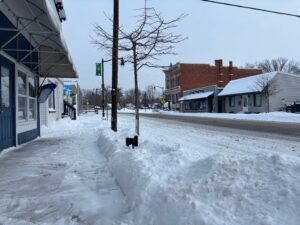
Clearing snow quickly prevents compaction and ice buildup. Shovel or snow-blow while snow is still light and fluffy when possible. Pay special attention to steps, driveways, and walkways to reduce slip hazards.
For roofs and gutters, use a roof rake from the ground to remove excess snow. Avoid climbing onto icy roofs. Keeping gutters and downspouts clear allows melting snow to drain properly and helps prevent ice dams and water damage.
Yard and Tree Cleanup
Heavy snow and ice can weaken tree limbs, even if they haven’t fallen yet. Inspect trees around your home for cracked or hanging branches that could drop later. Remove small debris yourself, but leave large or dangerous limbs to a professional tree service.
Clear fallen branches and leaves from lawns to prevent mold and lawn damage. Organic debris can be composted or chipped for mulch once conditions improve.
Inspect Your Home for Damage
After cleanup begins, take time to inspect your home inside and out. Look for missing shingles, damaged siding, and signs of roof leaks such as ceiling stains or damp walls. Inside the home, watch for slow leaks or water pressure changes that may indicate frozen or burst pipes.
Test smoke and carbon monoxide detectors, especially if you used fireplaces, space heaters, or generators during the storm.
Pet and Family Safety
Ice melt and salt can irritate paws and be harmful if ingested. Wipe pets’ feet after walks and keep them away from icy areas that may hide sharp debris. Keep children away from snowbanks near roads or driveways where plows may have piled ice and debris.
Use Tools Carefully
If you’re using chainsaws, snow blowers, or other power tools, follow manufacturer instructions and work slowly. Never operate equipment in wet conditions or near damaged electrical lines. For major cleanup jobs, avoid working alone.
Document Damage and Know When to Call for Help
Take photos or videos of any damage before making repairs. Proper documentation can make the insurance claims process smoother if coverage applies. Call professionals for roof repairs, structural concerns, or tree removal that poses a safety risk.
Prepare for the Thaw
As temperatures rise, melting snow can reveal additional issues. Keep drains clear to reduce the risk of water backup or basement seepage. Planning ahead now can help prevent costly springtime surprises.